
For years people who wanted to cover grey hair had to pick between harsh chemical dyes or natural solutions that barely worked. Now a simple addition to regular conditioner using a common kitchen ingredient has become popular with anyone seeking a gentler & easier way to darken grey hair without aggressive treatments. This approach has attracted attention because it avoids the damage that traditional hair dyes can cause. Many commercial hair coloring products contain ammonia and peroxide which can weaken hair strands and irritate the scalp over time.
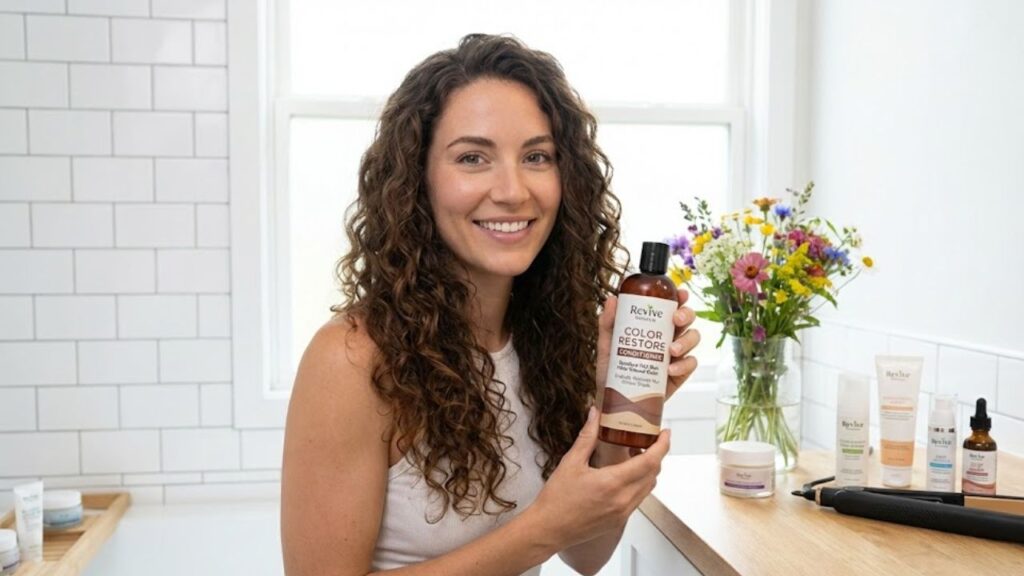
Why People Are Moving Away from Traditional Hair Dyes
Grey hair starts to appear when the body slows or stops producing melanin in the hair follicles. While ageing is a major cause, other triggers like stress, smoking, nutrient deficiencies, and genetics also play a role. Most people notice just a few silver strands at first, but over time, the grey spreads. This often leads to the use of permanent or semi-permanent hair dyes for quick fixes.
Common Drawbacks of Frequent Hair Colouring
While effective, repeated colouring has its downsides. Many formulas contain strong chemicals, require long processing times, and can trigger scalp irritation. Grey hair is usually drier and more fragile, making it more prone to damage after dyeing. Even “gentle” options like ammonia-free dyes still rely on oxidative processes that alter the hair’s structure. What works fine on youthful, thick strands can feel harsh on aging hair. Natural dyes like henna and indigo offer an alternative, but results can be unpredictable and hard to reverse.
 The Ordinary New Serum Nicknamed Filler in a Bottle Gave My Skin a Youthful Look in My 40s
The Cocoa Conditioner Hack for Grey Hair
This is where unsweetened cocoa powder comes in. Known more for baking, this natural powder contains plant-based pigments that can subtly tint hair without harming its surface. Unlike traditional dyes, cocoa adds a soft, warm tone to grey strands while also conditioning the hair. It includes compounds like flavonoids and tannins that gently coat the hair. Repeated use on grey or light hair brings about a gradual darkening effect, while on darker shades, it boosts depth and richness.

How to Prepare and Apply Cocoa Conditioner
Online methods show that this technique is both simple and budget-friendly. Start with clean, towel-dried hair and aim for one to two applications per week:
– Use your regular conditioner in a bowl
– Pick a silicone-free or light formula
– Mix in 2–4 tablespoons of unsweetened cocoa powder
– Stir until smooth and lump-free
Apply to sectioned hair, focusing on visible grey areas. Use a wide-tooth comb for even distribution, then leave the mixture on for 20 to 30 minutes. Rinse with lukewarm water while gently massaging your scalp. The change will likely appear as a cool brown hue that deepens with time.

Ideal Candidates for Cocoa-Based Tinting
This method works well for those with partially grey hair, especially light brunettes or blondes. People with sensitive skin often prefer this gentle alternative to chemicals. On dark brown or black hair, the result is subtle but can help blend new growth with existing colour. It’s more like a tinted gloss than full coverage, making it perfect for those seeking a natural transition.
Visual Results by Hair Colour
Here’s how cocoa affects different hair types:
– Mostly grey, fine hair: Results in a soft, light brown tone with more shine
– Salt-and-pepper hair: Greys blend better, giving a softer overall tone
– Dark hair with few greys: Adds slight warmth, barely noticeable change
Why Cocoa Colour Looks So Natural
Grey strands tend to have lifted cuticles, which leads to frizz. Regular conditioner smooths this, and adding cocoa gives an extra layer of natural pigment. Since cocoa only coats the surface, colour builds gradually and fades evenly—without harsh lines. It forms a protective tinted layer, which enhances tone and improves softness and manageability without damaging the hair’s core.
Comparing Cocoa to Other Grey Hair Solutions
Many natural solutions exist, including coffee rinses and black tea infusions. These offer mild staining but may leave hair dry or brittle with frequent use. Meanwhile, tinted conditioners and salon treatments offer reliable results but cost more. Cocoa stands out because it’s affordable, conditioning, and easy to use with your existing routine. Just ensure proper rinsing, as buildup could make hair appear dull.

Grey Hair Care Goes Beyond Colour
Managing grey hair isn’t only about tinting. Lifestyle factors like sun exposure, stress levels, and diet quality impact pigment loss. Many who try cocoa also adopt healthier routines: UV protection, less heat styling, and weekly conditioning masks. Haircare experts recommend nourishing masks and low-manipulation styling to maintain elasticity. Cocoa fits into a broader trend of reversible, gentle approaches that respect how hair changes over time.
