
In the ever-evolving world of hair trends, one thing is clear: the classic French bob is making room for a new style star. Across Canada and the U.S., salon experts are buzzing about a fresh, edgier take on the bob cut that’s gaining major traction for 2026. It’s called the “Broom Bob,” and it’s not just a haircut—it’s a statement. With its blunt, swishy ends and sleek shape, the Broom Bob is already being embraced by celebrities and stylists who favor low-maintenance polish with a fashion-forward edge. Here’s why it’s tipped to dominate hair trends this year.
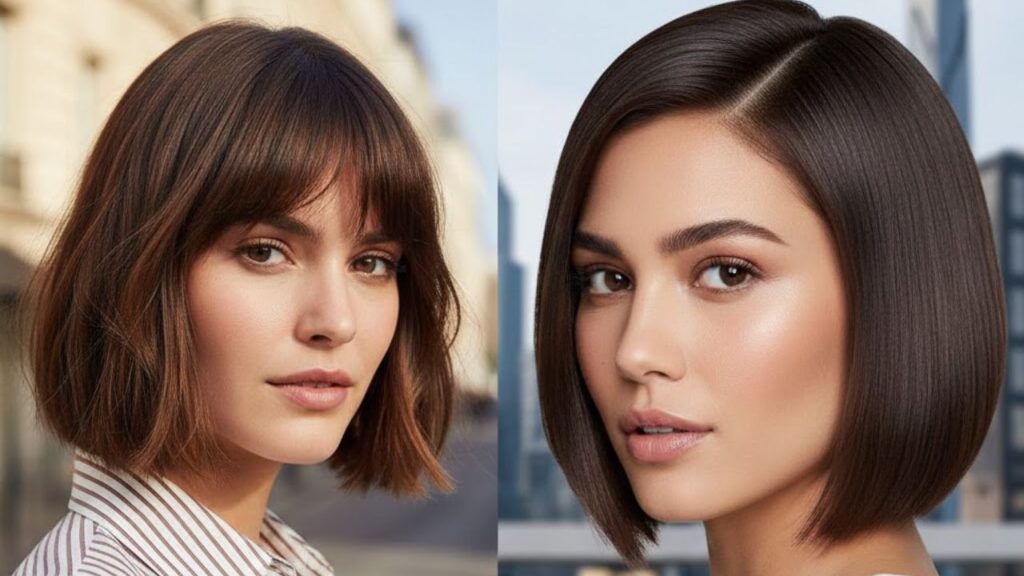
Why the Broom Bob Is Replacing the French Bob
The Broom Bob is rising fast because it offers a more structured silhouette than the French bob. While the French bob has a softer aesthetic, this new trend is all about bold geometry and clean lines. It’s slightly longer than a chin-length crop and falls flatter with less layering, which gives it a modern, minimal look. Hairstylists in major Canadian cities like Toronto and Vancouver say it’s easier to style and works well with both straight and fine hair. The cut brings a touch of quiet luxury—understated yet precise—and aligns with a wider movement toward intentional simplicity.
Who the Broom Bob Works Best For
Unlike some bobs that require constant touch-ups or specific face shapes, the Broom Bob is surprisingly versatile. It flatters oval, square, and even heart-shaped faces, thanks to its elongated blunt ends. If you have thick or wavy hair, slight internal layering can help keep the shape intact. For those with fine or flat hair, stylists recommend a textured blowout or mousse to give it life. Plus, the Broom Bob requires minimal upkeep compared to other trendy styles, making it ideal for professionals, students, and anyone who loves a chic but efficient routine. It’s especially popular among women seeking a change that doesn’t require a full pixie commitment.
 The Ordinary New Serum Nicknamed Filler in a Bottle Gave My Skin a Youthful Look in My 40s
Styling Tips to Maximize the Broom Bob’s Impact
To keep the Broom Bob looking salon-fresh, the right products and tools make a big difference. Experts suggest using a heat-protectant spray before flat-ironing for that signature blunt look. A fine-tooth comb helps with sleek finishes, while a round brush blowout can add subtle volume. For a glossy sheen, apply a serum or smoothing cream to the ends. The Broom Bob also pairs beautifully with middle parts or soft curtain bangs for added personality. Canadian salons have reported growing interest in pairing this cut with bold colors like espresso black or copper red to boost its impact even more.

What Makes This Bob the 2026 It-Cut?
What sets the Broom Bob apart from other short styles is its combination of intentional structure and modern flair. It’s easy to maintain yet still offers that feeling of transformation we all crave from a new haircut. The sharp ends give the impression of confidence and control, while the minimalist design reflects a wider shift toward effortless grooming and authenticity. With more celebrities and stylists embracing this look in early 2026, the Broom Bob is more than a trend—it’s becoming the new classic in Canadian salons and beyond.
| Feature | Broom Bob | French Bob |
|---|---|---|
| Length | Below chin | Chin-length |
| Texture | Sleek, blunt ends | Soft, tousled ends |
| Face Shape Fit | Oval, square, heart | Oval, round |
| Styling Time | Low to medium | Medium |
| Best For | Modern, minimalist look | Vintage, romantic style |
Frequently Asked Questions (FAQs)
1. What is the Broom Bob?
A sleek, blunt bob cut that falls just below the chin with minimal layering.

2. Is the Broom Bob hard to style?
No, it requires basic heat styling or can be worn air-dried for a relaxed look.
3. Will it suit my face shape?
Yes, it works well for most face shapes including oval, heart, and square.

4. How often does it need trimming?
Every 6–8 weeks to maintain its sharp, structured lines.
