
She breathes out quietly while staring at the thin silver line running through her hair. The dye bowls around her look like something from a science experiment with shades of chestnut and espresso and iced mocha brown but none of them seem quite right. She wants to avoid hair that obviously looks colored. What she really wants is something understated & natural & easy that blends in rather than draws attention.
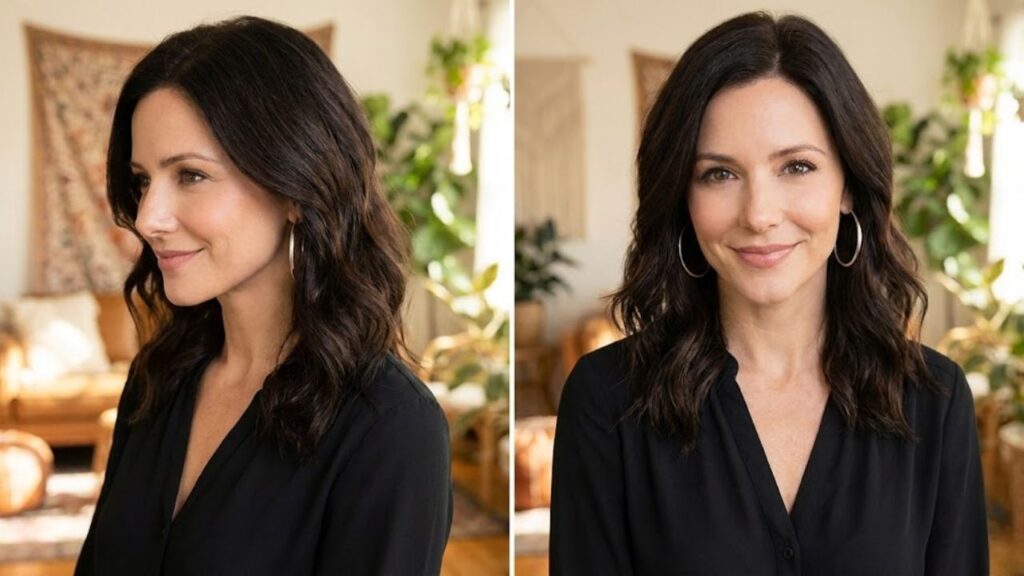
The Subtle Departure from Traditional Hair Coloring
She doesn’t reach for the usual color swatches. Instead, the stylist selects a chart with soft glosses, dimensional tints, and gentle light blends. There’s no full transformation — just thoughtful touches meant to blur grey strands, brighten the face, and ease upkeep. This reflects a quiet evolution in hair coloring. Today’s methods are more refined, low-maintenance, and age-aware, reshaping how grey hair is managed and styled.
From Full Coverage to Gentle Grey Camouflage
Walk into a modern salon, and the message is clear: “I want it natural”. The issue isn’t grey hair itself, but the flat, one-tone dye that looks artificial in daylight. The trend now is subtle blending — letting silver peek through while controlling its visibility. Stylists use semi-permanent tints, root shadows, and delicate highlights to create a diffused effect. These techniques fade softly, require less maintenance, and avoid the stark regrowth lines of old-school dye.
 The Ordinary New Serum Nicknamed Filler in a Bottle Gave My Skin a Youthful Look in My 40s
At a salon in London, 52-year-old Karen wanted the grey gone. She’d been dyeing every three weeks to cover roots. Her stylist suggested a different route — a mushroom-brown glaze, subtle face-framing highlights, and no harsh root line. Two hours later, the transition looked seamless. Her silver strands blended like intentional highlights. After eight weeks, her roots were barely visible, and Karen shared, “I feel lighter and freer. I’m not fighting the grey anymore.”

Why Grey Blending Enhances Facial Features
Dark, opaque dye can sometimes cast shadows and draw attention to fine lines. On the other hand, bright roots can highlight the scalp and cause unwanted contrast. Today’s blending techniques strike a balance — softening both extremes. By placing light tones near the face, stylists create a brighter, more even look. It’s often described as hair contouring — using contrast to enhance facial structure without completely hiding the grey.
The New Go-To: Gray Blending Techniques
Rather than cover every grey, stylists now blend with intention. They apply translucent demi-permanent colors to tone silver and lowlights for depth. Around the face, baby lights or soft highlights keep things bright. This technique avoids solid color blocks and lets clients stretch appointments up to twelve weeks. The key is in the details — controlled variation in tone and light that gives hair a natural, lived-in finish.
Easy Grey Hair Upkeep at Home
At-home care for blended grey is simple. A weekly purple or blue shampoo keeps brassiness away. Lightweight oils or serums add shine and tame coarse strands. On special days, tinted root sprays or powders help soften any new growth. The goal isn’t complexity — it’s consistency. Milder shampoos, heat protection, and regular trims go a long way in keeping grey hair polished and intentional.
Why This Shift Feels Bigger Than Just Hair
What’s changing isn’t just coloring habits — it’s mindset. Instead of chasing every grey strand, the focus is on shine, texture, and movement. Paris colorist Lila Moreau puts it best: “Clients aren’t asking to erase grey. They want to look bright and refreshed — like themselves on a good day.” The emphasis is no longer youth, but rather how the hair makes them feel.

Common Mistakes That Undermine Grey Blending
– Opting for too-dark shades that overpower facial features
– Overusing box dye with heavy, matte results
– Skipping on a fresh cut or shape to support the color
– Using purple shampoo too often, leading to dullness
– Expecting instant transformation in one session

A Renewed Approach to Aging Hair
When people release the need to fully cover greys, they often start exploring. Softer bangs, lighter face-framing, or shorter layers enhance their silver. Friends notice a glow, not the greys. Some keep a light gloss, others go fully natural — but most land somewhere in between. This is less about quitting color and more about embracing flexibility. The goal isn’t to erase age — it’s to edit how it appears. And in doing so, many rediscover a quiet confidence that speaks louder than any dye.
