
Healthy blood circulation to the brain plays a vital role in clear thinking, strong focus, memory retention, and emotional balance. When circulation slows, it may result in fatigue, poor concentration, headaches, and mental tension. Yoga provides a natural way to encourage better circulation by improving posture, soothing the nervous system, and promoting steady breathing. Specific poses gently guide oxygen-rich blood toward the brain, helping it function more efficiently. Practiced mindfully, these movements can support mental clarity and long-term brain health.
Why Strong Brain Circulation Is Important
The brain relies on a constant supply of oxygen and essential nutrients to perform at its best. Prolonged sitting, poor posture, stress, and shallow breathing can interfere with healthy blood flow. Yoga helps counter these effects by stretching tight muscles, aligning the spine, and relaxing the body. With regular practice, circulation becomes smoother, the mind-body connection strengthens, and awareness improves. These changes build gradually and feel more stable when yoga remains gentle and consistent.
Adho Mukha Svanasana (Downward Facing Dog)
Downward Facing Dog is a highly effective pose for encouraging blood flow toward the brain without placing strain on the neck. By positioning the head below the heart, gravity naturally assists circulation.
 The Ordinary New Serum Nicknamed Filler in a Bottle Gave My Skin a Youthful Look in My 40s
Begin on your hands and knees. Lift your hips upward while extending your arms and legs as comfortably as possible. Keep the head relaxed between the arms and avoid tension in the neck. Breathe slowly and hold the pose for five to ten breaths.
This pose helps refresh the brain, sharpen focus, and ease mental fatigue. It also strengthens the arms and legs while calming the nervous system. If dizziness occurs, exit the pose slowly and rest.
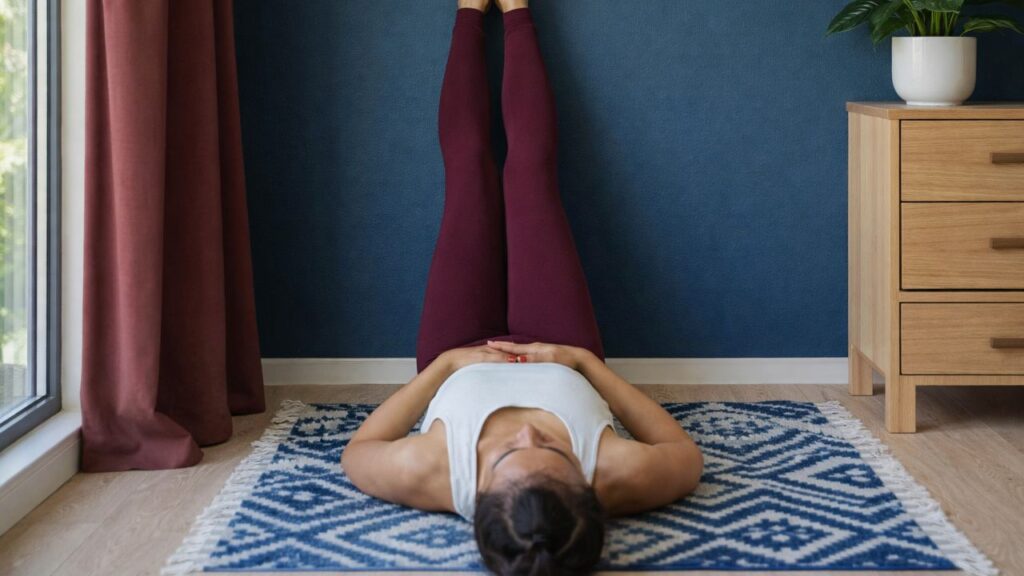
Viparita Karani (Legs Up the Wall Pose)
Legs Up the Wall is a deeply restorative posture that gently improves blood circulation toward the brain while calming the entire body. It is especially beneficial after long periods of mental or physical activity.
Sit sideways close to a wall and carefully lift your legs so they rest vertically against it. Lie back comfortably with arms relaxed by your sides. Close your eyes and breathe naturally for five to ten minutes.
This pose reduces pressure in the legs and lower body, allowing blood to move smoothly toward the upper body and brain. It supports mental calmness, emotional balance, and relief from tension headaches. It is beginner-friendly and suitable for daily practice.
Balasana with Forehead Support (Child’s Pose)
Child’s Pose may appear simple, but when practiced mindfully, it offers powerful calming benefits. Resting the forehead on the mat or a cushion encourages gentle circulation to the brain while promoting deep relaxation.

Kneel on the floor and sit back on your heels. Slowly fold forward, placing your forehead on the ground or a support. Let your arms rest forward or alongside your body. Maintain slow, steady breathing for one to two minutes.
This pose soothes the nervous system and eases mental overload. Forehead support helps quiet brain activity while improving circulation in a safe and controlled manner, making it ideal during stressful moments.
Uttanasana (Standing Forward Bend)
Standing Forward Bend directs blood toward the brain while stretching the spine and hamstrings. When practiced gently, it helps refresh the mind and reduce mental exhaustion.
Stand with feet hip-width apart. Exhale and hinge forward from the hips, allowing the head to hang naturally. Relax the neck and bend the knees slightly if needed. Hold for a few breaths, then rise slowly.
This pose improves circulation, releases spinal tension, and calms racing thoughts. Enter and exit the pose gradually to avoid dizziness, especially for beginners.
Tips for Safe and Mindful Practice
- Move slowly and avoid rushing into poses where the head is below the heart.
- Do not hold your breath during any posture.
- Practice on an empty or light stomach.
- If you have high blood pressure, neck issues, or frequent dizziness, consult a qualified instructor before attempting inversions or forward bends.
- Consistency matters more than intensity.
Building a Simple Daily Yoga Routine
These poses can be practiced within a fifteen to twenty-minute session. Start with gentle breathing, move into one or two poses, and end with rest. Practicing in a calm, quiet environment enhances the benefits. With regular effort, the brain may feel clearer, more energized, and better equipped to manage daily stress.

Final Thoughts
Yoga provides a natural and mindful approach to supporting healthy blood circulation to the brain. These four poses help refresh the mind, improve focus, and encourage overall mental balance. When practiced with patience and awareness, yoga becomes a valuable tool for both mental and physical well-being.
